Cedar Wood: Discover Its Best Uses, Advantages, Care Tips, and Buying Guide for Woodworkers
Cedar wood has long been prized by woodworkers for its unique qualities and versatility. Whether you are crafting furniture, building outdoor structures, or working on artistic projects, cedar offers a range of benefits that make it a popular choice. This guide explores the best uses of cedar, its advantages and disadvantages, cost and availability, sustainability, care tips, buying advice, and more. By the end, you will understand why cedar might be the perfect wood for your next project.
Best Uses of Cedar Wood
Cedar is a versatile wood that works well in many woodworking projects. Here are some common and creative uses:
Furniture
Cedar’s warm color and pleasant aroma make it ideal for indoor furniture like chairs, benches, and dressers.
Tables
Its durability and resistance to moisture allow cedar to be used for dining tables and outdoor picnic tables.
Shelves
Lightweight yet strong, cedar shelves are both functional and decorative.
Decorative Art
Artists and woodturners use cedar for sculptures, carvings, and turning projects due to its fine grain.
Cabinets
Cedar cabinets add a rustic charm and naturally repel insects, making them great for kitchens and closets.
Cutting Boards
Some woodworkers use cedar for cutting boards, especially for light-duty use, appreciating its antibacterial properties.
Turning Projects
Cedar is favored for woodturning because it is easy to shape and finishes smoothly.
Musical Instruments
Certain types of cedar are used in making guitar tops and other instruments for their tonal qualities.
Veneers
Thin slices of cedar are used as veneers to cover less attractive woods in fine furniture.
Outdoor Use
Cedar’s natural resistance to decay and insects makes it excellent for decks, fences, garden furniture, and siding.
Advantages of Cedar Wood
Cedar offers several benefits that make it a preferred choice for many woodworkers:
Naturally resistant to rot, decay, and insect damage
Lightweight and easy to work with hand and power tools
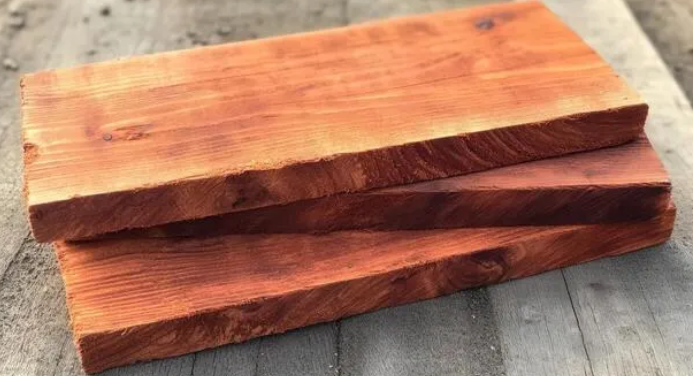
Attractive reddish-brown color with a pleasant aroma
Stable wood with low shrinkage and warping tendencies
Good insulation properties, useful for outdoor projects
Smooth texture that takes finishes well
Environmentally friendly when sourced responsibly
Disadvantages of Cedar Wood
Despite its many benefits, cedar has some limitations to consider:
Softer than hardwoods, making it prone to dents and scratches
Can be more expensive than common softwoods like pine
Color may fade to gray if left untreated outdoors
Not ideal for heavy structural use due to lower strength
Some species may cause allergic reactions in sensitive individuals
Cost of Cedar Wood
Cedar generally falls into the moderate to premium price range depending on the species and grade. Western Red Cedar, for example, is more expensive than Eastern White Cedar. Pricing varies due to:
Species and quality grade
Board size and thickness
Source and availability in your region
Whether the wood is kiln-dried or green
Availability of Cedar Wood
Cedar is widely available in North America, Europe, and parts of Asia. However, availability can fluctuate based on:
Regional forestry practices
Demand in the construction and furniture industries
Import restrictions or tariffs
Seasonal harvesting cycles
Sustainability of Cedar Wood
Many cedar suppliers offer FSC-certified lumber, ensuring the wood comes from responsibly managed forests. Sustainable forestry practices include:
Selective harvesting to preserve forest health
Replanting and conservation efforts
Avoiding illegal logging and habitat destruction
Some cedar species are protected under CITES regulations due to overharvesting concerns, so always check the source before purchasing.
Fun Facts About Cedar Wood
Cedar has been used for thousands of years by indigenous peoples for building and crafting.
The aromatic oils in cedar wood naturally repel moths and other insects.
Cedar wood can last over 30 years outdoors without treatment.
Some species of cedar float on water due to their low density.
The scent of cedar is believed to have calming and mood-enhancing effects.
Cedar wood was used in ancient Egyptian tombs for its preservative qualities.
The tallest cedar trees can grow over 200 feet high.
Cedar is often used in saunas because it resists moisture and heat damage.
Care Tips for Cedar Wood
To keep cedar wood looking and performing its best:
Clean regularly with a soft brush or cloth and mild soap solution.
Avoid harsh chemicals that can strip natural oils.
Apply a UV-protective finish or sealant for outdoor projects to prevent fading.
Sand lightly before refinishing to remove weathered surfaces.
Store indoors or cover when not in use to extend lifespan.
For cutting boards, wash with warm water and oil periodically to maintain moisture balance.
Buying Tips for Cedar Wood
When selecting cedar lumber, consider these factors:
Grain: Look for straight, tight grain for strength and appearance.
Defects: Avoid boards with large knots, cracks, or warping.
Moisture Content: Choose kiln-dried wood for stability and less shrinkage.
Board Sizes: Common widths range from 4 to 12 inches, thickness from 1/2 inch to 2 inches.
Grades: Higher grades have fewer knots and blemishes, suitable for fine furniture; lower grades work for structural or outdoor use.
Frequently Asked Questions About Cedar Wood
Is cedar wood good for outdoor furniture?
Yes, cedar’s natural resistance to rot and insects makes it excellent for outdoor furniture.
Can cedar wood be used for cutting boards?
It can, especially for light use, but it is softer than traditional hardwoods like maple.
Does cedar wood require sealing?
For outdoor use, sealing helps maintain color and protect against weathering.
Is cedar wood hypoallergenic?
Some people may be sensitive to cedar dust or oils, so precautions are advised during woodworking.
How long does cedar wood last outdoors?
Properly maintained cedar can last 20 to 30 years or more outside.
What is the difference between Western Red Cedar and Eastern White Cedar?
Western Red Cedar is darker, more aromatic, and often used outdoors; Eastern White Cedar is lighter and commonly used for indoor projects.
Can cedar wood be painted?
Yes, but it’s best to use a primer and paint designed for softwoods.
Is cedar wood sustainable?
When sourced from FSC-certified forests, cedar is a sustainable choice.
Comparison of Cedar Wood with Similar Woods
Feature | Cedar Wood | Redwood | Pine |
Durability | High, naturally rot-resistant | High, good decay resistance | Moderate, less durable outdoors |
Weight | Lightweight | Lightweight | Lightweight |
Grain | Straight, fine | Straight, coarse | Straight, sometimes knotty |
Color | Reddish-brown | Reddish with pink hues | Pale yellow to light brown |
Cost | Moderate to premium | Premium | Inexpensive |
Workability | Easy to work | Easy to work | Very easy to work |
Outdoor Use | Excellent | Excellent | Fair, needs treatment |
Aroma | Pleasant cedar scent | Mild scent | Pine scent |
Who Should Choose Cedar Wood
Cedar wood is ideal for woodworkers who want a beautiful, durable, and aromatic wood that performs well indoors and outdoors. It excels in projects like furniture, cabinets, decorative art, and outdoor structures where resistance to moisture and insects is important. If you want a wood that is easy to work with and offers natural protection without heavy chemical treatments, cedar is a strong choice.
For those focused on sustainability, choosing FSC-certified cedar supports responsible forestry. Whether you are a hobbyist or professional, cedar’s versatility and charm make it a valuable addition to your woodworking materials.
Explore cedar wood for your next project and enjoy its natural beauty and lasting performance. Choose quality lumber, maintain it well, and your cedar creations will stand the test of time.


